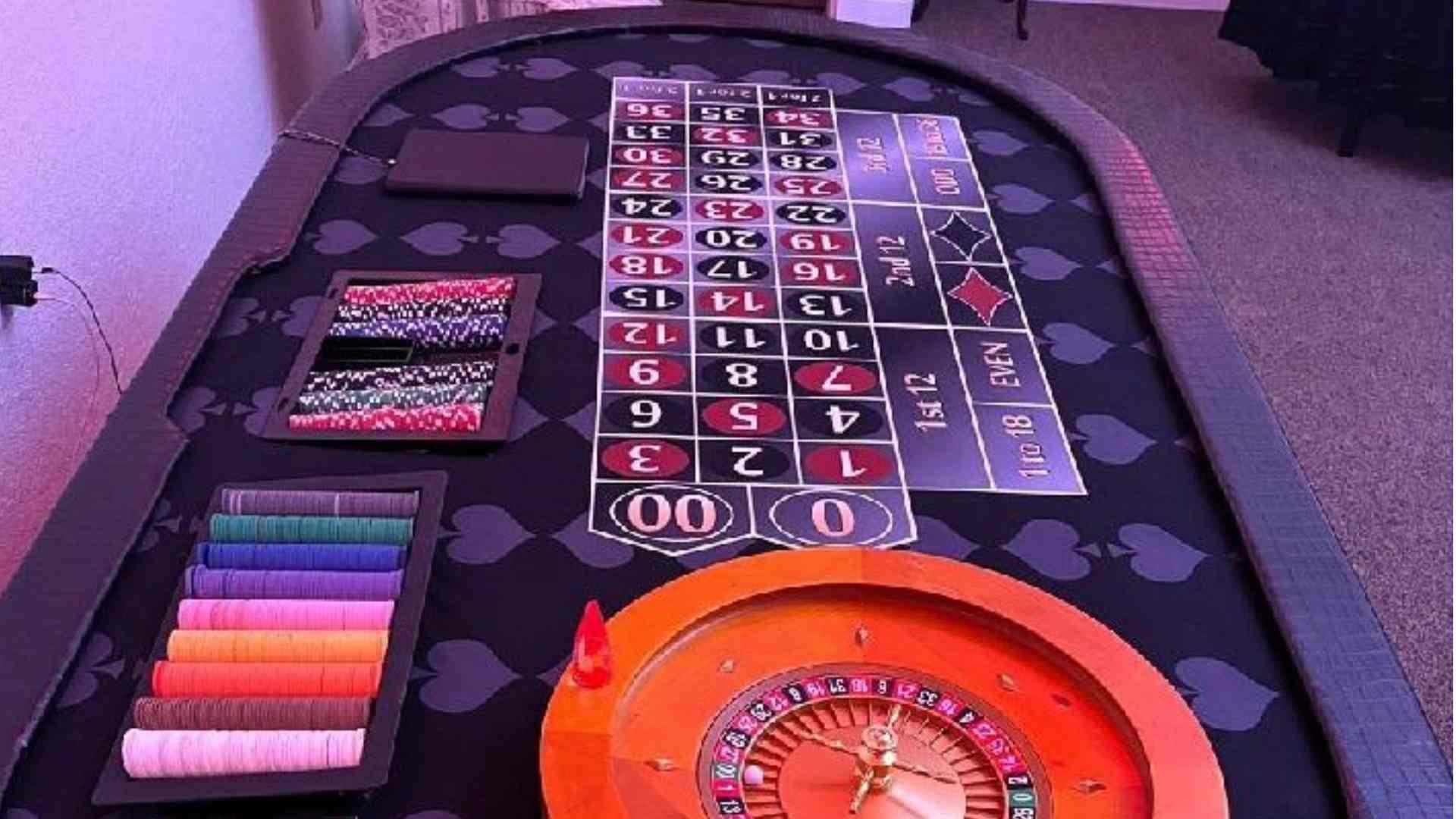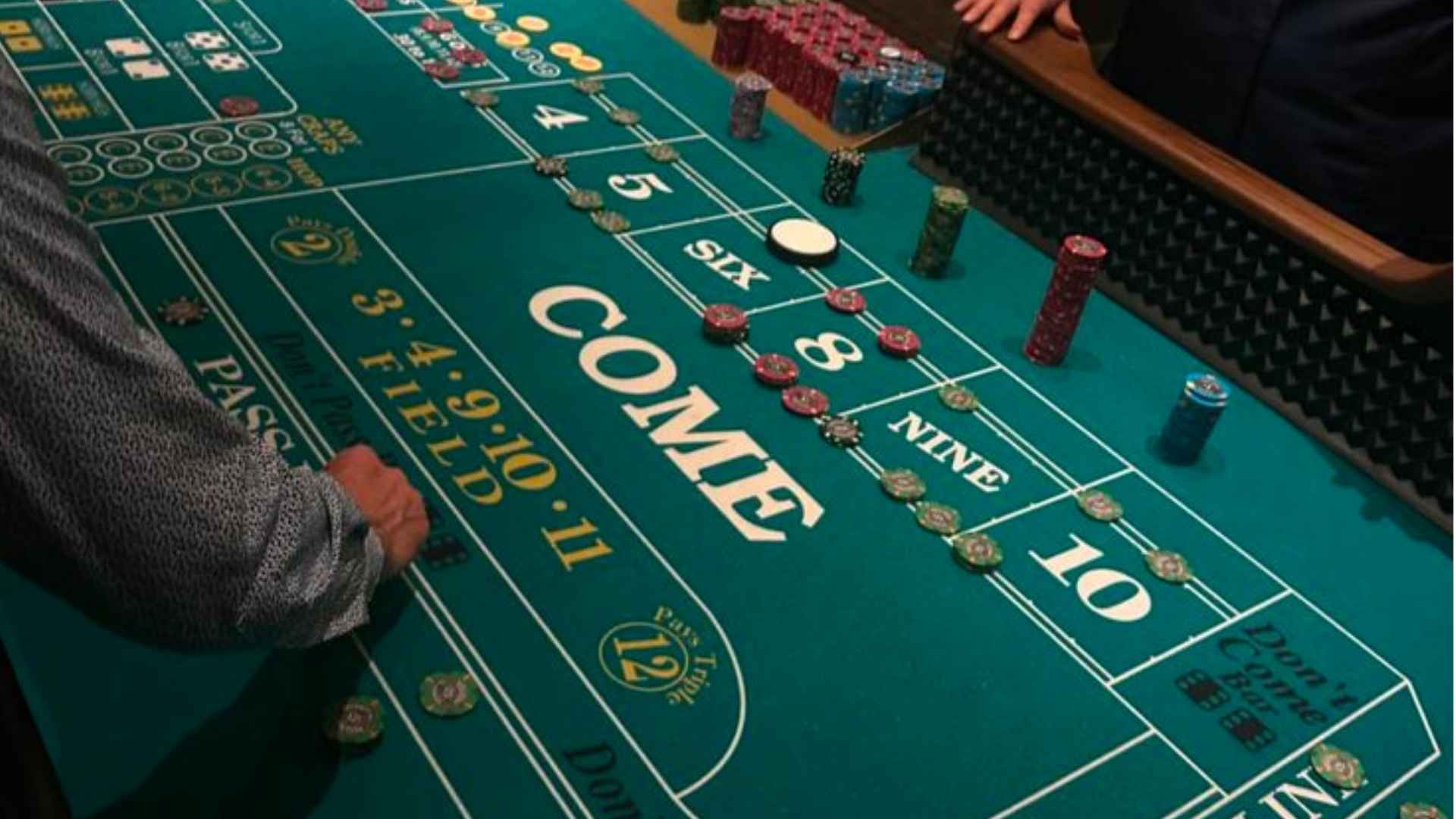
The history of traditional brick-and-mortar casinos is deeply rooted in the social dynamics that unfolded around the gaming tables. Long before modern algorithms took over the entertainment industry, the real draw of a casino venue was the shared human experience and direct communication among players. This vibrant interaction shaped everything from table etiquette to the unique atmosphere of classic card and dice rooms.
The Shared Dynamics of Classic Table Games
In traditional casino environments, games like blackjack, craps, and baccarat thrived on collective energy and mutual observation. Players did not just compete against a dealer; they watched each other moves, celebrated shared wins, and commiserated over tough losses. This group participation turned every round into a collaborative theatrical event rather than an isolated financial transaction.
Furthermore, table positioning and vocal communication played a massive role in how strategies were developed in real time. Experienced participants often read the subtle physical cues of their table neighbors to guess the flow of remaining cards or shifting momentum. This high level of personal engagement added layers of psychological complexity that are difficult to replicate in centralized automated environments.
How Human Connection Shaped Casino Culture
The layout of early European and American gaming salons was intentionally designed to foster face-to-face conversations and community rituals. High rollers and casual visitors alike gathered closely around physical tables, creating a lively social scene that defined the nightlife of historic gambling capitals. The human element was considered just as crucial to the entertainment value as the actual risk of the wager.
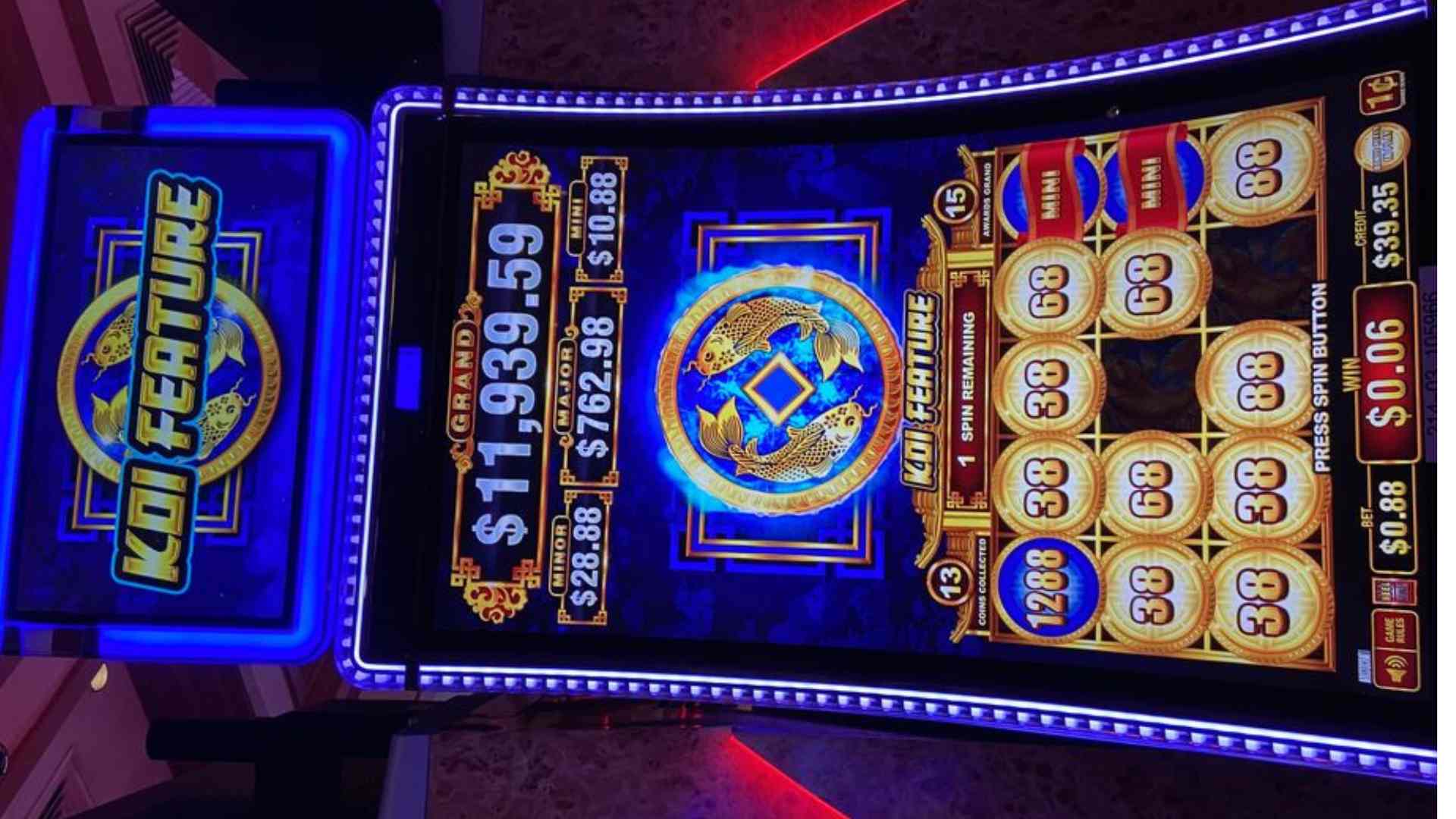
As technology evolved, many of these highly interactive structures began transitioning toward automated and digital formats designed for rapid individual play. For instance, players looking for quick entertainment often choose a modern m88 slot to enjoy fast-paced mechanics and instant feedback. While these contemporary options offer incredible convenience and security, they represent a major shift away from the highly social, player-driven table environments of the past.
The Psychological Impact of Direct Competition
Directly facing an opponent or a human dealer introduces unique emotional variables, such as peer pressure, bluffing, and shared confidence. In traditional setups, a single player bold decision could alter the entire mood of the table and influence how others placed their next wagers. This psychological interplay created unforgettable narratives and deep bonds among complete strangers during extended gaming sessions.
Ultimately, looking back at traditional casino experiences reminds us that gaming has always been an inherently social custom. While centralized digital networks continue to expand global accessibility, the foundational legacy of human connection still underpins our modern appreciation for casino entertainment. Understanding this historic balance helps contemporary players appreciate how deeply our current gaming preferences are influenced by early table traditions.