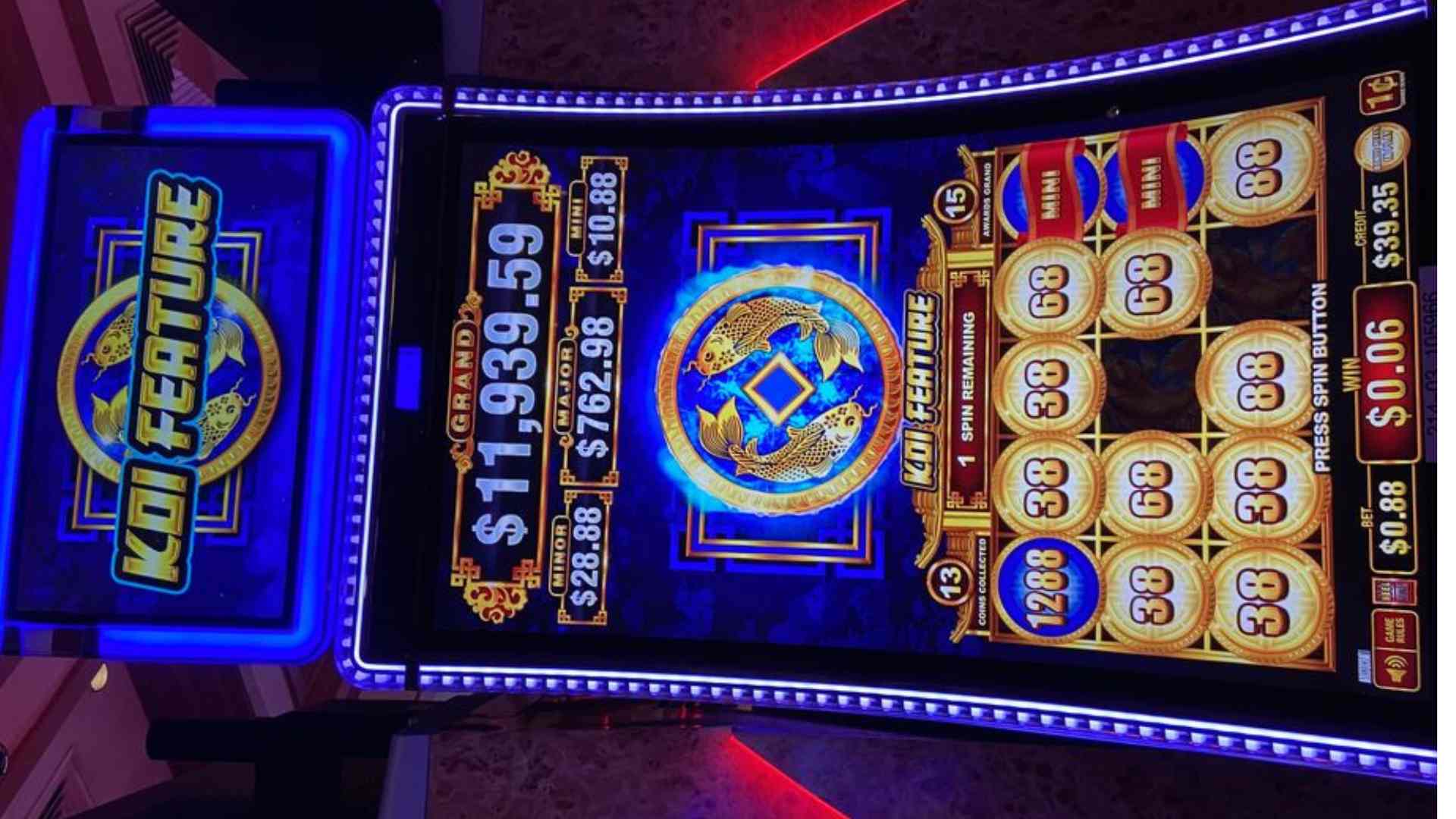
The evolution of digital gamification has introduced creative reward systems that significantly alter how players interact with modern prize wheels. Instead of treating spins as isolated events, contemporary platforms are introducing long-term collection mechanics that reward strategic patience and planning. Understanding the mathematics and progression pathways behind these systems can greatly enhance a participant's overall experience.
The Shift to Structured Setups
Traditional spinning wheels rely almost entirely on immediate random outcomes where each rotation stands independent of previous attempts. Modern developments are shifting toward asset accumulation systems where players collect unique tokens or virtual items over multiple sessions. This structural shift transforms simple chance interactions into a goal-oriented progression path that sustains interest over time.
By incorporating these collection models, digital entertainment networks encourage participants to build systematic habits and long-term milestones. Players are no longer simply looking for an instant payout but are instead focused on completing specific sets of rewards. This method provides a deeper sense of cognitive achievement and adds tactical depth to standard spinning features.
Analyzing the Odds and Probability
Every advanced fortune wheel operates using underlying algorithms known as random number generators to ensure complete statistical fairness. Each unique slice of the wheel represents a calculated percentage of probability, with rarer items naturally programmed with lower landing frequencies. Discerning participants evaluate these distribution frequencies to build realistic expectations before starting their sessions.
Many contemporary platforms integrate these interactive systems to offer clear feedback loops and transparent mathematical structures for their global audiences. For example, individuals exploring the gaming options available at M88 indonesia can analyze diverse layouts that utilize these advanced accumulation frameworks. Knowing the relationship between segment distributions and collection requirements helps players manage their personal limits effectively.
Long-Term Benefits of Asset Collection
Accumulating specific milestones allows participants to unlock premium tiers, secondary multipliers, and exclusive promotional opportunities that are unavailable during initial plays. These additional features can alter the basic volatility of the game, creating unique scenarios where accumulated assets maximize overall value. Evaluating the utility of these bonuses requires observing how consistently they trigger during normal play routines.
Furthermore, collection systems often include daily check-in perks or complimentary tokens that grant free opportunities on the prize mechanism. Utilizing these structural rewards allows players to gain practical experience without overextending primary personal resources. This methodical testing approach helps build confidence while navigating diverse layout variations across digital gaming networks.
Prioritizing Certified and Safe Interfaces
Engaging with modern digital prize systems should always prioritize verified security credentials and independent algorithmic audits. Trustworthy systems display their licensing parameters clearly, ensuring that all random distribution elements remain entirely transparent and objective. Recognizing the importance of platform certification protects players while they pursue complex long-term achievements.
Ultimately, the main appeal of these modern spinning mechanisms lies in their blend of immediate anticipation and structured progression. By combining classic carnival concepts with advanced digital security frameworks, developers continue to deliver reliable entertainment systems for global audiences. Staying informed about the underlying rules ensures that every session remains both safe and intellectually stimulating.